
Innovative Approaches to Playground Design and Engineering
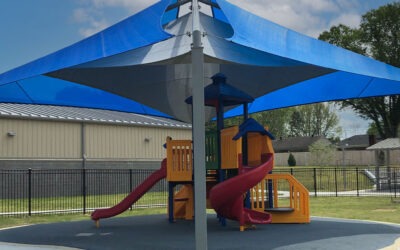
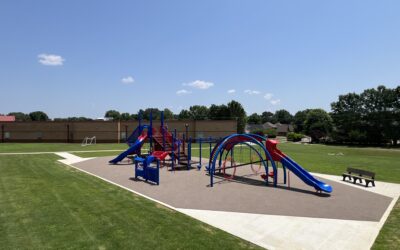
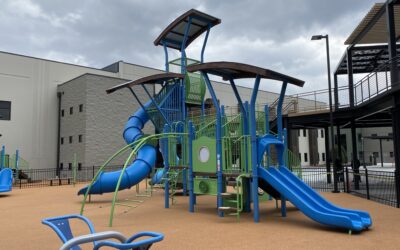
Innovative playgrounds incorporate natural elements and technology. This enhances play experiences and encourages physical activity. They are designed to be inclusive, catering to children of all abilities.
Community involvement is key in
The Foundations of Playground Design Engineering
Key aspects of successful
- Understanding of safety standards and regulations
- Consideration of functionality and aesthetics
- Ensuring accessibility for all children
Engineers and designers work together to bring these elements to life. Their collaboration is essential in developing playgrounds that meet diverse needs. Whether designing for different age groups or including accessibility features, attention to detail is crucial.
An effective
Embracing Innovation in Playground Planning
Innovation plays a key role in modern
Some emerging trends in
- The use of technology like interactive play equipment
- Integration of natural elements for a more immersive environment
- Development of themed playgrounds to stimulate creativity
Incorporating these elements creates rich opportunities for learning and exploration. Playgrounds have become spaces where technology meets nature. This fusion not only captivates children but also encourages active play.
Ultimately, innovative planning results in playgrounds that are unique and captivating. These spaces invite children to explore, imagine, and engage.
Safety, Inclusivity, and Sustainability in Modern Playgrounds
Safety remains a top priority in
Inclusive designs cater to all abilities, fostering social interaction. Features such as ramps and sensory play equipment enhance accessibility. Inclusive playgrounds ensure every child can participate equally.
Sustainability is increasingly important in modern playgrounds. Designers often use eco-friendly and recycled materials. These choices protect the environment while reducing costs.
Key elements of modern playgrounds include:
- Accessibility features like ramps
- The use of sustainable materials
- Regular safety maintenance checks
In combining these three pillars, modern playgrounds are safer, more inclusive, and eco-conscious. This holistic approach benefits both communities and the environment.
Community Engagement and Creative Collaboration
Involvement from the community enriches
Collaboration among designers, engineers, and community members is crucial. Each group brings valuable insights to the project. This teamwork fosters innovative and practical playground solutions.
Key components of successful collaborations include:
- Open discussions with community members
- Collaborative workshops for brainstorming ideas
- Incorporating feedback throughout the design process
Through collaboration, playgrounds can become vibrant, inclusive hubs that truly serve their communities. Engaging locals ensures playgrounds meet their unique needs and aspirations.
Future Trends in Playground Design
Sustainability continues to drive playground innovation. More designers are using recycled and eco-friendly materials. This trend reduces environmental impact while creating durable play areas. Future playgrounds will blend creativity with sustainability, offering a fresh take on traditional play spaces.
Key future trends include:
- The incorporation of smart technology
- Increasing use of sustainable materials
- Emphasis on multi-generational play spaces
These trends signify a promising future for playgrounds, where technology, sustainability, and inclusivity come together harmoniously.